
Can Quartz Worktops Crack? What Actually Causes Damage?

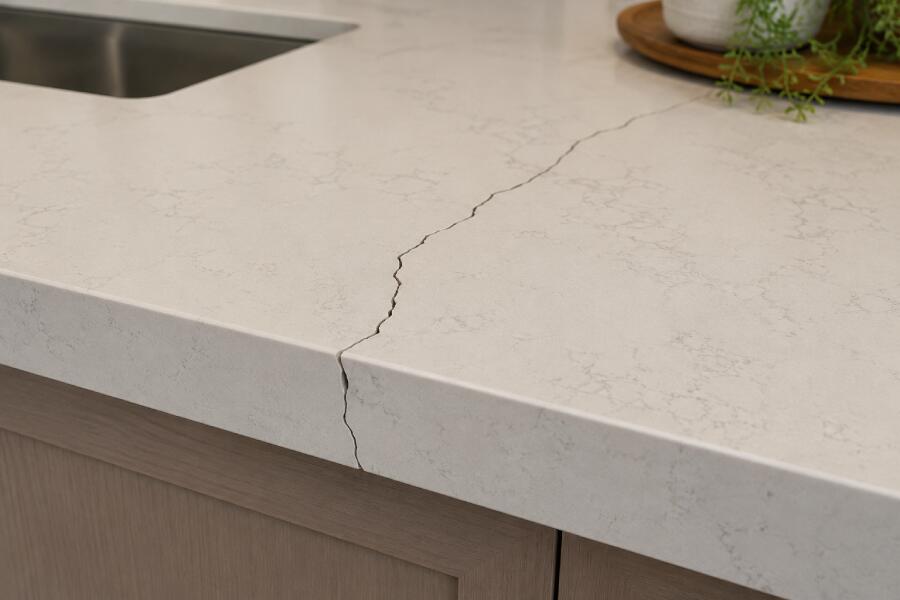
Quartz worktops are famous for being durable, strong, and low-maintenance. That is one of the biggest reasons they remain so popular in modern kitchens across the UK.
But sooner or later, many homeowners ask the same worrying question:
“Can quartz worktops crack?”
The short answer is yes — quartz can crack under certain conditions. However, genuine cracking is actually far less common than most people think.
In most kitchens, quartz survives perfectly for many years without any serious issues. The problem usually comes from incorrect installation, excessive pressure, poor support, or sudden temperature changes rather than normal daily use.
A lot of homeowners researching surfaces through stonedcollective often compare durability before buying and ask things like:
- “Is quartz stronger than granite?”
- “Can hot pans crack quartz?”
- “Does quartz chip easily?”
- “Will quartz crack near sinks?”
The good news is that properly installed quartz worktop surfaces are incredibly durable for everyday kitchens.
Quartz Is Extremely Strong — But Not Indestructible
This is the first thing homeowners need to understand.
Quartz worktops are engineered using:
- Natural quartz crystals
- Resins
- Pigments
- Binding materials
Because quartz contains one of the hardest natural minerals on earth, the surface is highly resistant to:
- Scratches
- Impact
- Everyday wear
- Stains
- Pressure
However, no kitchen surface is completely indestructible.
Under the wrong conditions, quartz can still crack.
The difference is that quartz cracks usually happen because of structural stress rather than simple everyday cooking.
What Causes Quartz Worktops to Crack?
There are several common causes behind quartz damage.
Poor Installation
This is probably the biggest reason quartz develops cracks.
Quartz is heavy. Very heavy.
If cabinets underneath are uneven or poorly supported, pressure points can form across the slab over time.
Eventually, that stress may lead to cracking around weaker areas like:
- Sink cut-outs
- Hob cut-outs
- Corners
- Overhangs
This is one reason professional installation matters so much.
Even expensive quartz can fail if fitted incorrectly.
Excessive Heat and Thermal Shock
A lot of homeowners assume quartz behaves exactly like natural stone.
But quartz contains resin binders, which react differently to heat.
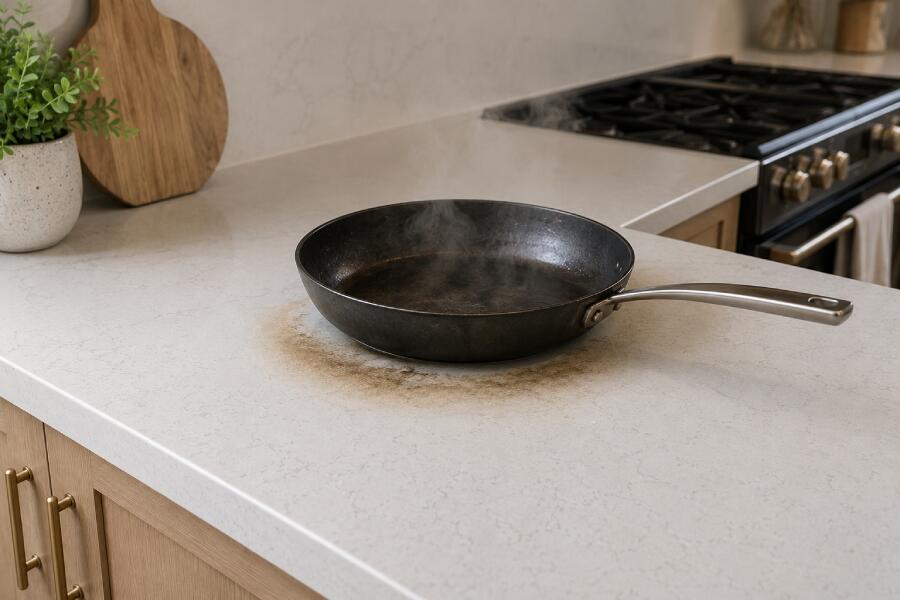
Placing extremely hot pans directly onto the surface may create sudden temperature stress known as thermal shock.
This can potentially cause:
- Hairline cracks
- Discolouration
- Resin damage
- Surface weakening
That is why articles like Can You Put Hot Pans on Quartz? have become increasingly popular among quartz buyers.
The safest approach is always to use:
- Trivets
- Heat pads
- Pan stands
especially near thinner sections of the worktop.
Weak Areas Around Sinks and Hobs
Quartz slabs are strongest across large, uninterrupted areas.
Once fabricators cut openings for sinks or hobs, those sections naturally become more vulnerable.
Cracks sometimes appear when:
- Heavy objects hit sink corners
- Cabinets shift slightly
- Unsupported overhangs flex
- Large Belfast sinks add pressure
- Poor installation leaves stress points
This is why experienced installers carefully reinforce sink areas during fitting.
Large Overhangs Without Support
Modern kitchens often feature breakfast bars or waterfall islands with quartz overhangs.
While these look stunning, unsupported extensions can eventually weaken under pressure.
Sitting, leaning, or placing excessive weight onto unsupported quartz edges increases cracking risk over time.
This becomes even more important with thinner surfaces like 20mm Quartz Worktops.
In larger kitchens, many installers recommend additional hidden supports underneath long overhangs.
Can Quartz Crack During Installation?
Yes — and this is actually when many cracks happen.
Quartz slabs must be transported, lifted, and positioned extremely carefully because of their weight.
Cracking risks increase during:
- Transport
- Carrying upstairs
- Tight kitchen access
- Poor handling
- Uneven fitting surfaces
This is one reason homeowners comparing materials often research:
- Quartz vs Granite
- Quartz vs Quartzite
- Are Quartz Worktops Better Than Marble?
because every material handles stress differently.
Do Cheap Quartz Worktops Crack More Easily?
Sometimes, yes.
Lower-quality quartz may contain:
- More resin
- Less natural quartz
- Poor manufacturing consistency
- Weaker internal structure
Cheaper fabrication quality can also increase cracking risks around cut-outs and joins.
However, installation quality usually matters even more than the slab price itself.
This is one reason many homeowners now pay closer attention to fabrication standards rather than only comparing colours.
Articles like What Makes Quartz Worktops Look Cheap? also explain how poor-quality quartz often affects both appearance and durability.
Does Thickness Affect Cracking?
Yes, to a degree.
Thicker quartz usually feels more structurally solid, especially across larger spans.
That is why some homeowners still prefer 30mm surfaces in busy kitchens.
However, properly supported 20mm quartz remains extremely durable in most homes.
The key factor is usually:
- Proper support
- Correct installation
- Quality fabrication
rather than thickness alone.
Are Quartz Cracks Repairable?
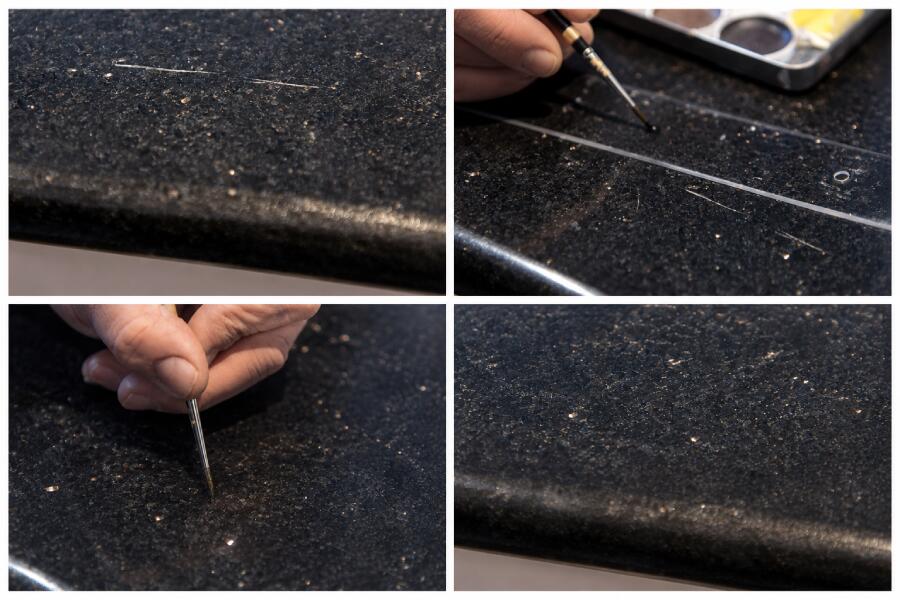
Small chips and hairline cracks can sometimes be repaired professionally.
Specialist repair teams may use:
- Colour-matched resin
- Polishing techniques
- Seam repairs
- Reinforcement methods
However, severe structural cracks are harder to fix invisibly.
This is why prevention matters far more than repair.
How to Prevent Quartz Worktops from Cracking
The good news is that quartz cracks are usually preventable.
The safest approach includes:
- Choosing experienced installers
- Avoiding direct heat
- Supporting overhangs properly
- Avoiding excessive weight on edges
- Checking cabinet levelling
- Using quality fabrication teams
Many homeowners also combine durability research with cleaning and maintenance advice before buying.
Final Thoughts
Quartz worktops can crack under certain conditions, but genuine structural damage is actually quite rare in properly installed kitchens.
Most problems happen because of poor support, installation mistakes, direct heat exposure, or excessive stress around weak points like sinks and overhangs.
The good news is that quartz remains one of the strongest and most reliable kitchen surfaces available today when installed correctly.
And if you are still comparing thickness options, durability, or installation styles, the team at get a quote can help you choose the right quartz surface for your kitchen layout and daily usage.
Frequently Asked Questions
- Are quartz worktops easy to crack?
No. Quartz is extremely durable under normal kitchen use. Most cracks happen because of poor installation or excessive stress. - Can hot pans crack quartz?
Yes, extreme heat can potentially damage quartz or create thermal shock, especially with direct contact. - Is quartz stronger than granite?
Quartz is generally more flexible and impact-resistant, while granite handles heat slightly better. - Can cracked quartz be repaired?
Small cracks and chips can sometimes be repaired professionally using resin and polishing techniques. - Does thinner quartz crack more easily?
Not necessarily. Properly installed 20mm quartz is still very durable, although larger unsupported spans may require extra support.